Smart Home Upgrades That Make Everyday Life Easier
The best smart home upgrades are not the flashiest ones. They are the ones that make daily routines simpler, give homeowners more control, and work reliably in the background.
For many homeowners, the easiest place to start is with practical upgrades such as smart thermostats, connected lighting, video doorbells, garage access controls, or camera systems. These are the tools that can save time, improve convenience, and make the home feel easier to manage from day to day.
What matters most is not how many devices a home has, but how well those devices work together. A strong smart home setup should reduce friction instead of adding more apps, more confusion, and more troubleshooting. When the setup is planned well, the technology fades into the background and simply supports everyday living.
A good smart home plan should also match the home’s actual routines. For example, a busy family may value connected entry control and lighting automation, while another household may care more about remote camera access or temperature management. The point is to solve real-day problems, not just add gadgets for the sake of it.
That is one reason professionals often recommend starting with a few high-impact upgrades instead of trying to automate everything at once. A simple system that works well is usually more useful than a more complicated one that is difficult to manage. Once the core pieces are working properly, it becomes easier to build from there.
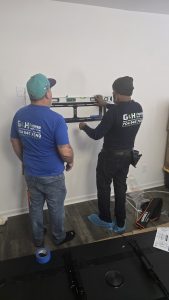
Start with the systems you use most
One of the best ways to think about smart home upgrades is to begin with the routines that already matter to your household. That might mean better entry control, easier lighting, more confidence when you are away, or a simpler way to manage temperature and comfort. The right starting point depends on how you live in the home now.
From there, the goal is to build intentionally. A well-planned system is usually better than a random collection of devices added over time. Compatibility, ease of use, and thoughtful setup all matter if you want the technology to feel helpful instead of frustrating.
For general home-system planning, Energy Star’s maintenance guidance also reminds homeowners that regularly checking equipment helps keep systems operating efficiently. While smart home devices are not the same as HVAC equipment, the underlying idea is similar: simple maintenance and proper setup make everything work better.
Smart home technology works best when it feels less like technology and more like a smoother everyday routine.
Reference: See ENERGY STAR’s maintenance checklist for a general home-systems reference.
Learn more: Visit the G&H Home Tech Pros Smart Home Services page.