What Clogged Gutters Can Do to Your Roof, Siding, and Foundation
Gutters may not get much attention, but they play a major role in protecting the home. When they clog, water can move in all the wrong directions and lead to damage that is far more expensive than routine cleaning.
A gutter system is supposed to guide rainwater safely away from the structure. When leaves, twigs, and debris block that path, water can overflow over the sides, back up under the roofline, and collect in areas where it should never sit. That can create staining, moisture issues, wood rot, and other avoidable problems.
One of the most common homeowner mistakes is treating gutter buildup like a cosmetic issue instead of a drainage issue. In reality, clogged gutters can affect multiple parts of the home at once. Water may run down siding, splash against landscaping, pool near the foundation, or weaken the performance of the drainage system during heavy rain.
Overflow is especially important to think about in areas with frequent storms. When rain falls hard and fast, a clogged gutter has less room to fail gracefully. Instead, it can dump water where it is most likely to cause staining, erosion, or saturation around the base of the home.
Gutter maintenance also matters because it supports the health of nearby materials. If water repeatedly spills over the same section, it can discolor siding, damage fascia boards, and create unnecessary wear around the roof edge. Even when the problem starts small, the long-term effect can be a lot more noticeable than many homeowners expect.
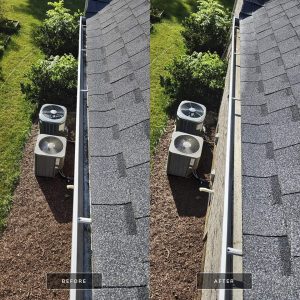
Small maintenance, big protection
The value of gutter cleaning is in prevention. A routine service can help keep water moving properly and make it easier to catch problems like loose sections, downspout issues, or buildup near roof valleys before they lead to more serious repair work.
Homeowners should also think about gutters seasonally. Heavy storms, falling leaves, and changing weather patterns all affect how quickly debris can accumulate. A simple maintenance rhythm can go a long way toward protecting the roofline, siding, and foundation over time.
WVU Extension notes that gutters protect windows, doors, and the foundation by directing rainwater away from the house, and that they should be cleaned at least twice a year or more often in storm-prone areas. That is a helpful benchmark for homeowners trying to build a realistic maintenance schedule.
When gutters stop moving water away from the home, other parts of the property often start paying the price.
Reference: See West Virginia University Extension’s gutter safety guide for a practical maintenance reference.
Further reading: Review The Gutter Experts’ maintenance guide and ENERGY STAR’s maintenance checklist.