Soft Washing vs. Pressure Washing: Which Is Right for Your Home?
Soft washing and pressure washing are both useful cleaning methods, but they are not interchangeable. Choosing the right one depends on the surface, the type of buildup, and how much force the material can safely handle.
Pressure washing is often the right choice for hard, durable surfaces such as concrete, stone, and some exterior hardscapes. It uses stronger water pressure to break up dirt and grime quickly, which makes it effective for driveways, sidewalks, and other sturdy areas that can take a more aggressive clean.
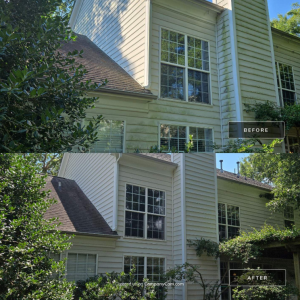
Soft washing is different. It uses lower pressure along with a cleaning solution to help remove algae, mildew, dirt, and other organic buildup more gently. That makes it a better option for surfaces like siding, trim, painted areas, and other materials that could be damaged by excessive force.
Homeowners sometimes assume the more powerful method is always the better one, but that is not how exterior cleaning works. The right approach depends on the material in question, the age and condition of the surface, and the kind of buildup that needs to be removed. A careful method can protect the property while still producing a strong result.
Soft washing can also be especially helpful for surfaces that develop organic growth over time. Because the cleaning solution helps treat the source of the buildup, the result may last longer than a quick rinse alone. That can be useful for siding, shaded areas, and spots that tend to stay damp or collect mildew.
Why the difference matters
The biggest mistake homeowners can make is assuming stronger pressure always means better results. In reality, too much pressure can scar surfaces, loosen paint, or force water into places it should not go. A good cleaning plan is based on the material first, not just on the stain or dirt that needs to be removed.
Soft washing is especially helpful when organic growth is part of the problem. Because the cleaning solution helps treat the source of the buildup, the result can be cleaner and longer-lasting without putting the surface at unnecessary risk.
For example, many exterior maintenance guides point out that cleaning methods should match the type of surface being treated. That is a useful reminder for homeowners who are deciding between methods for siding, concrete, rooflines, or painted trim.
The best wash method is not the strongest one. It is the one that cleans effectively without creating damage.
Reference: See this EPA guidance on pressure washing containment and preparation for a general look at safety and work-area controls.
Further reading: See this soft washing vs. pressure washing guide from Window Hero.